Truck Loans Australia Truck Lease Finance Repayment Calculator
Estimate truck lease repayments with our Truck Lease Calculator. Factor in residual (balloon) payments to compare finance options and plan the best solution for your business.
Calculator results are estimates based on the inputs and assumptions used and are provided for general information only. They are not quotes, offers, approvals, eligibility assessments or personalised recommendations, and do not indicate that a lender will provide finance. Actual costs and repayments may differ.
Truck Lease Details:
Important!
Truck Lease Interest Rates differ from lender to lender and will depend on your individual circumstances (credit history, employment status, age, etc.).
Truck Lease Amortisation Calculator
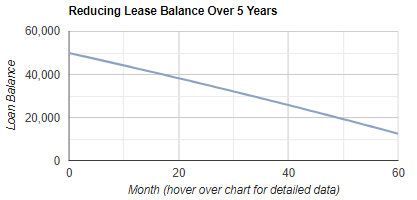
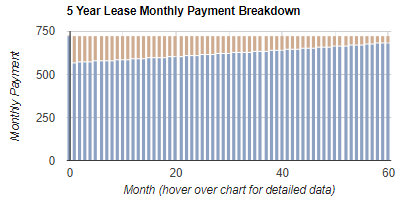
The following amortisation graphs detail month-by-month data on the progress of the proposed loan. The first chart below examines the reducing loan balance over the course of the finance contract term. The second graph illustrates the portion of each monthly repayment allocated to payment of interest vs principal reduction.
How to use our Truck Lease Finance Repayment Calculator
Our Truck Lease Finance Repayment Calculator helps Australian businesses estimate truck lease repayments before speaking with a lender. By modelling purchase price, interest rate, term and a residual or balloon payment, you can compare options, stress-test cash flow, and choose a structure that suits your operational needs and end-of-term plans (keep, refinance, trade, or pay out).
Why it matters: Truck lease repayments can look affordable while still carrying a large end payment. Adding a residual or balloon value may reduce monthly repayments, but it can increase total interest and leave a sizeable amount due at the end of the term. The calculator makes that trade-off clear.
How to complete the form for the best result
1. Purchase Price: Enter the truck’s purchase price as a whole number (no decimals, commas or symbols). Where relevant, consider whether you want to include on-road and other costs such as stamp duty, registration, insurance and tax-related amounts in your finance estimate (only include costs you expect to fund).
2. Balloon or Residual Value: Choose the residual as a percentage of the purchase price. A higher percentage generally lowers ongoing repayments but increases what you will owe at the end of the lease. Select a level that matches your expected end-of-term strategy and business cash reserves.
3. Term of Loan: Select the number of years you want to repay over. Longer terms typically reduce periodic repayments but can increase the total cost over time.
4. Interest Rate: Select an annual interest rate for the simulation. The listed rates are indicative only; your actual rate may differ based on lender policy and your circumstances. .
5. Calculate: Click calculate to generate the estimate and charts.
How to interpret the results
Review the estimated repayment amount alongside the amortisation charts showing the reducing balance over time and the split between interest and principal across the term. Use these outputs to compare scenarios, for example changing residual percentage or term, and to plan for the end-of-term residual payment.
ASIC compliance and important notes: This calculator provides general information and estimates only. It does not consider your objectives, financial situation or needs and is not financial or credit advice. Results may exclude fees, lender charges, taxes and timing assumptions. Consider seeking professional advice and obtaining a formal quote before making a decision.
The pursuit of a quality truck or fleet can be a significant undertaking for any business, especially within the dynamic and ever-expanding Australian transport industry. An understanding of the variety of financing options available within this sector is crucial, as it allows businesses to strategically acquire heavy vehicles that are vital to their operations. - read more
Limited paperwork, variable income or past credit issues can make a commercial truck loan application more complex, but they do not always rule out finance. This guide explains how lenders may assess low doc truck loans and bad credit truck loans, what evidence may help, and the risks to consider before applying. - read more
Managing truck loan paperwork may seem like a mundane task, but it is essential for both individuals and businesses. Staying organised can save time, reduce stress, and ensure that nothing important is overlooked. - read more
When it comes to expanding a commercial fleet in Australia, the decision between purchasing new or used trucks can have a significant impact on your budget. With this article, we aim to delve into the critical considerations that fleet owners must make in juxtaposing the costs of new verses used trucks, meticulously unraveling the financial layers to guide you towards a choice that aligns with your company's fiscal strategy. - read more
When you're eyeing that perfect truck to support your business or lifestyle, understanding the ins and outs of financing can save you time and effort. One crucial step in the truck financing journey is securing a pre-approval. But what exactly does pre-approval mean? - read more
Australia’s truck market is moving deeper into an emissions-focused buying cycle, with more manufacturers promoting Euro 6-ready models, updated safety systems and more efficient drivetrains. For transport operators, tradies, delivery fleets and owner-drivers, this is not just a technology story. It is a finance planning issue that can affect purchase timing, loan structure and the total cost of keeping a vehicle productive. - read more
Australia’s truck market appears to be settling into a more cautious rhythm after the stronger buying bursts seen around tax-time and major model changeovers. The latest industry sales commentary points to a market where operators are still replacing essential vehicles, but many are taking longer to commit, weighing up utilisation, operating costs and finance structure before signing off on a purchase. - read more
Australia’s business lending market is moving further towards faster digital assessment, with banks and non-bank financiers continuing to invest in automated credit checks, electronic document handling and data-led serviceability reviews. For truck buyers, the direction is encouraging: finance applications can be assessed more efficiently than the traditional paper-heavy process many operators remember. - read more
The latest truck market signals suggest Australian operators are taking a more selective approach to vehicle investment, with buying momentum easing from the sharper end-of-financial-year activity seen earlier in the cycle. For sole traders, owner-drivers and small fleet businesses, that does not necessarily point to weak demand. It points to a market where buyers are being more deliberate about what they purchase, how they fund it and whether the truck can genuinely earn its place in the business. - read more
The latest truck market update points to a familiar post-EOFY reset, with buying activity easing after the late-June rush. That does not necessarily signal weak demand. For many transport operators, tradies and delivery businesses, July is often a month for reassessing quotes, reviewing tax positions and deciding whether the urgency of end-of-financial-year purchasing still stacks up against day-to-day cash flow. - read more
Bear Market: A market condition where the prices of securities are falling, and widespread pessimism causes the negative sentiment to be self-sustaining.