The information on this website is general in nature and does not take into account your objectives, financial situation, or needs. Consider seeking personal advice from a licensed adviser before acting on any information.
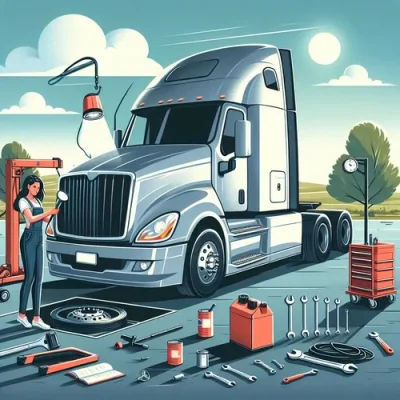
Keeping your truck in top condition through preventive maintenance is crucial for extending its longevity. Regular check-ups and timely repairs can save you from unexpected breakdowns and costly repairs, keeping your truck on the road for years.
Introduction: The Importance of Preventive Maintenance for Trucks
Preventive maintenance doesn't just protect your vehicle; it also safeguards your financial health. Ignoring routine maintenance can lead to major mechanical failures, which are often expensive to fix. Additionally, a well-maintained truck runs more efficiently, helping you save on fuel costs and avoid lost revenue from downtime.
In this blog post, we will delve into the various aspects of preventive maintenance for trucks. We will explore the key components, provide tips for effective maintenance, and discuss common pitfalls to avoid. By the end of this article, you'll have a comprehensive understanding of how preventive maintenance can benefit both your truck and your wallet.
Understanding Preventive Maintenance
Definition of Preventive Maintenance
Preventive maintenance is a proactive approach to vehicle upkeep, involving regular inspections and routine service to identify and address potential issues before they escalate. This approach ensures that your truck remains in optimal working condition, thus avoiding unexpected breakdowns and costly repairs.
Difference Between Preventive and Reactive Maintenance
Unlike preventive maintenance, reactive maintenance revolves around fixing problems as they occur. While this might seem convenient at first, it can actually lead to more significant issues down the road. Reacting to breakdowns often results in higher repair costs, longer periods of downtime, and, ultimately, a shorter lifespan for your truck.
Long-term Benefits of a Proactive Approach
Adopting a preventive maintenance strategy offers numerous long-term benefits. Firstly, it enhances your truck's reliability, reducing the chances of unexpected failures and ensuring continuous operation. Secondly, it lowers overall maintenance costs by addressing minor issues before they become major problems. Lastly, a well-maintained truck tends to have a higher resale value, providing you with a better return on investment when you decide to upgrade.
Key Areas of Preventive Maintenance
Engine Maintenance: Regular Oil Changes and Inspections
The engine is the heart of your truck, making regular oil changes and inspections crucial. Fresh oil keeps the engine lubricated, reducing wear and tear on its components. Regular inspections help identify potential issues, like leaks or worn-out parts, before they turn into major problems.
Tire Care: Monitoring Pressure and Tread Wear
Proper tire maintenance is essential for safety and performance. Regularly checking tire pressure ensures optimal fuel efficiency and prolongs the lifespan of your tires. Additionally, monitoring tread wear helps you identify when it's time for a tire rotation or replacement, ensuring better traction and reducing the risk of blowouts.
Brake System Checks: Ensuring Safety and Reliability
Brake system maintenance is non-negotiable for safe driving. Regularly inspecting brake pads, rotors, and fluid levels ensures that your brakes function properly. Addressing issues like spongy brakes or unusual noises promptly can prevent accidents and costly repairs down the road.
Fluid Levels: Checking Coolant, Brake Fluid, and Transmission Fluid
Maintaining proper fluid levels is vital for the smooth operation of your truck. Regularly checking and topping off coolant prevents overheating, while maintaining brake fluid levels ensures efficient braking performance. Similarly, keeping an eye on transmission fluid levels helps avoid transmission issues and prolongs the life of your vehicle.
Electrical System: Battery Health and Wiring Inspections
The electrical system powers essential functions in your truck, from starting the engine to running lights and accessories. Regular battery checks and charging ensure uninterrupted power supply. Inspecting wiring for signs of wear or corrosion helps prevent electrical failures, ensuring your truck remains reliable on the road.
Creating a Maintenance Schedule
How to Develop a Comprehensive Maintenance Plan
Creating a comprehensive maintenance plan is essential for keeping your truck in optimal condition. Start by reviewing your truck's owner's manual, which provides specific guidelines on service intervals and maintenance tasks. Tailor your plan to suit your vehicle's unique needs and your operational demands.
Involve your drivers and mechanics in the planning process. Their hands-on experience can provide valuable insights into common issues and necessary checks. Set clear milestones for different tasks, such as oil changes, tire rotations, and brake inspections, ensuring nothing is overlooked.
Recommended Service Intervals for Different Components
While each truck may have unique requirements, there are standard service intervals to consider. For instance, oil changes are typically recommended every 5,000 to 10,000 kilometers. Tire rotations should occur every 10,000 to 15,000 kilometers to ensure even wear.
Brake inspections are crucial and should be done every 20,000 to 30,000 kilometers. Coolant and transmission fluid checks should be carried out every 50,000 kilometers. Consult your truck’s manual and adjust these intervals based on your usage and operating conditions.
Using Technology to Track Maintenance Schedules
Technology can significantly streamline your maintenance schedule. Use fleet management software to track service intervals, record completed tasks, and set reminders for upcoming maintenance. These systems can automatically generate alerts, ensuring you never miss an important service.
Moreover, mobile apps can be particularly useful for drivers, allowing them to log maintenance activities and report issues in real time. Embracing technology not only makes tracking easier but also ensures that your truck remains in top-notch condition, reducing the risk of unexpected breakdowns.
Finding a Reliable Mechanic
Qualities to Look for in a Trustworthy Mechanic
When it comes to maintaining your truck, finding a reliable mechanic is essential. Look for someone with certification and extensive experience working on trucks like yours. A good mechanic should have a track record of quality work and client satisfaction.
Transparency is another key quality. A trustworthy mechanic will explain the issues clearly and offer detailed invoices. They should also use quality parts and provide warranties on their work. Honesty and integrity are important; you want someone who prioritizes your truck’s health over unnecessary upsells.
Questions to Ask When Choosing a Service Provider
Before committing to a mechanic, ask a few questions. Inquire about their experience with trucks and request references from other commercial vehicle owners. Ask about their diagnostic process and whether they have the latest tools and technology.
DIY Maintenance Tips
Basic Maintenance Tasks You Can Do Yourself
There are several basic maintenance tasks you can handle yourself, saving you money and keeping your truck in good shape. Regularly checking and topping up fluids like engine oil, coolant, and windshield washer fluid is a simple yet effective task. Inspecting and replacing air filters, which can become clogged over time, is another easy job that keeps your truck running efficiently.
Ensuring your tires are properly inflated is crucial. Invest in a quality tire pressure gauge and check the pressure regularly, adjusting as needed. It's also a good idea to rotate your tires every now and then to promote even wear. These tasks require minimal tools and can significantly impact your truck's performance and safety.
Tools and Resources Needed for DIY Maintenance
For DIY maintenance, a few essential tools can go a long way. A basic toolkit with wrenches, screwdrivers, and pliers is indispensable. A tire pressure gauge and a jack are essential for tire maintenance. An oil filter wrench and a drain pan make oil changes simpler and cleaner.
Online resources, such as video tutorials and forums, can be invaluable for guiding you through specific tasks. Your truck’s owner manual is also a crucial resource, offering detailed instructions and maintenance schedules. Investing in a quality diagnostic scanner can help you identify issues early, allowing you to address them before they become major problems.
When to Leave It to the Professionals
While DIY maintenance can save money, it's important to know when to seek professional help. Complex tasks like engine repairs, transmission issues, and brake system overhauls should generally be left to experienced mechanics. Attempting these without proper expertise can lead to costly mistakes and potential safety hazards.
If you notice persistent or unusual problems, such as strange noises, leaks, or a drop in performance, it's best to consult a professional. Regularly scheduled maintenance tasks, like comprehensive inspections and advanced diagnostics, should also be performed by a certified mechanic. Balancing DIY tasks with professional expertise ensures your truck remains in optimal condition.
Financial Tips: Managing Maintenance Costs Without Hurting Your Credit
Budgeting for Regular Maintenance Expenses
Creating a budget for regular maintenance expenses is essential for keeping your truck in top shape without putting a strain on your finances. Start by listing all the routine maintenance tasks your truck requires, such as oil changes, tire rotations, brake inspections, and fluid checks. Assign approximate costs to each task based on your previous maintenance records or quotes from mechanics.
Once you have a rough estimate, set aside a specific amount of money each month to cover these expenses. This proactive approach ensures you're financially prepared for routine upkeep and reduces the risk of unexpected costs derailing your budget. Additionally, maintaining a dedicated maintenance fund helps you avoid dipping into credit or savings when minor repairs arise.
Financing Options for Significant Repairs
For more significant repairs, relying solely on your budgeted funds may not always be feasible. In such cases, exploring financing options can help you manage the costs without harming your financial stability. One option is to use a credit card with a low-interest rate specifically for maintenance expenses. This allows you to spread the cost over several months, easing the immediate financial burden.
Alternatively, personal loans can provide a lump sum to cover major repairs. These loans usually come with fixed interest rates and repayment schedules, making it easier to manage your expenses. It's also worth considering maintenance plans or warranties offered by dealerships, which can cover specific repairs, protecting you from unexpected costs.
Protecting Your Credit Score While Maintaining Your Truck
Maintaining your truck's health shouldn't come at the expense of your credit score. To ensure your credit remains intact, always make timely payments for any financed repairs or maintenance-related expenses. Missing payments can negatively impact your credit score, making future financing more difficult and expensive.
Another way to protect your credit is to keep your credit card balances low. High balances relative to your credit limits can harm your credit score. If you use a credit card for repairs, aim to pay off the balance as quickly as possible. Finally, avoid opening multiple new credit accounts in a short period, as this can lead to hard inquiries and temporarily reduce your credit score.
Resources and Tools for Prospective Truck Buyers
Online Loan Calculators
When planning to purchase a truck, online loan calculators can be incredibly useful. These tools allow you to input various loan parameters such as purchase price, interest rate, and loan term. By doing so, you can estimate your monthly payments and total loan cost, helping you make an informed decision.
Using an online calculator, you can also compare different loan options. This helps you identify the most cost-effective financing option that fits within your budget. Many financial websites, including ours, offer user-friendly loan calculators tailored for Australian consumers.
Financial Advisory Services
Enlisting the services of a financial advisor can provide you with expert guidance on truck financing. Financial advisors can help you understand the intricacies of truck loans, including interest rates, terms, and any hidden fees. They can also offer advice tailored to your specific financial situation.
In Australia, many financial advisors specialise in vehicle financing. Seeking their expertise can give you an edge, ensuring you get the best possible terms and avoid potential pitfalls. Consider reaching out to a financial advisor to make your truck buying process smoother and more efficient.
Industry Publications and Guides
Industry publications and guides are excellent resources for staying updated on the latest trends and practices in truck financing. These resources often feature in-depth articles, expert opinions, and case studies that can provide valuable insights.
Subscribing to reputable industry magazines or accessing online guides can keep you informed about changes in the market, new financing options, and tips for negotiating better loan terms. Staying well-informed empowers you to make educated decisions and secure the most advantageous financing for your truck purchase.
Conclusion: Make Preventive Maintenance a Priority
Recap of Key Points Discussed
Throughout this article, we've highlighted the importance of preventive maintenance in extending the longevity of your truck. We've covered the definition and benefits of preventive maintenance, the key areas to focus on, and the importance of creating a comprehensive maintenance schedule.
Additionally, we discussed the value of finding a reliable mechanic, shared DIY maintenance tips, and provided financial advice to help manage maintenance costs without impacting your credit score. We've also touched on various resources and tools available to prospective truck buyers.
Implement a Preventive Maintenance Routine
Implementing a preventive maintenance routine is not just a recommendation; it's a necessity for anyone serious about keeping their truck in optimal condition. Regular maintenance can save you from costly repairs, ensure safer driving conditions, and improve your truck's overall performance.
Don't wait for problems to arise before taking action. Start today by reviewing your truck's maintenance schedule, making necessary adjustments, and involving your drivers and mechanics in the process. Consistency is key; the more diligent you are with preventive maintenance, the longer your truck will serve you efficiently.
If you're looking for ways to finance your truck purchase or significant repairs, we encourage you to explore the various financing options available on our website, including our free loan calculators. Whether you need guidance on loan terms or advice on managing maintenance costs, our resources are designed to help you make informed financial decisions.
Remember, a well-maintained truck is an investment in your business's future. Take proactive steps today to ensure your truck remains reliable and cost-effective for many years to come.
Published: Monday, 14th Oct 2024
Author: Paige Estritori





No comments yet. Be the first to share your thoughts.