

Truck Loans Australia :: Articles

Car Leasing

What is car leasing and how does it work?

Car Leasing

The information on this website is general in nature and does not take into account your objectives, financial situation, or needs. Consider seeking personal advice from a licensed adviser before acting on any information.

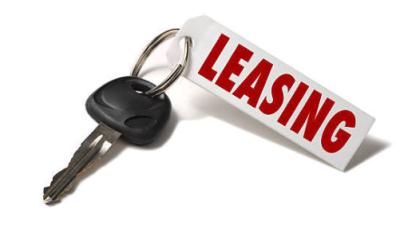
Leasing is an often misunderstood car financing option so, in response to subscriber feedback, we've included this article to help give you a better understanding of what it is and how it works.

What's leasing all about?

Leasing is really just another form of borrowing to finance a car. 

But unlike loan finance - where you take ownership of the car and offer it or something else as security to the lender – lease finance sees a leasing company take ownership and give you the use of the car under contract for a specified period.

Lease contracts

Upon signing your lease contract you agree to make regular monthly lease payments, keep appropriate insurance, pay any vehicle taxes or fees, and take good care of the vehicle.

Car Loans - Quick & Easy
Image for Car Loans - Quick & EasyIf you are in the market for a new or used car, then we'd like to help you arrange the money. Our car loan & leasing service is backed by a national panel of car loan specialists who will establish your eligibility, find lender/s offering the best deals for your situation - and help you through the approval and settlement process. No charge to you - and no obligation to proceed with any recommendations offered.

Further, you agree that you'll keep the car for a specified period - typically two to five years - and you're expected to stick it out to the end of the lease contract.

At the end of the lease period, there is often an option to purchase your vehicle at a specified price. 

Or you may be able to use the car as a trade-in on a new car.

Otherwise, the leasing company will expect the vehicle to be returned with no more than normal wear and tear. 

You may have to pay them for any damage or extra mileage over and above a contract-specified limit.

Lease or buy?

Leasing may involve lower monthly payments than a car loan but this is often because you are only paying off a portion of the vehicle’s value, leaving a 'residual' amount at end of the lease period. 

And at lease end, you will not own the car.

Leasing is often promoted as a cheaper way to finance a car because of the tax advantages it can bring for the self-employed or those who take out a novated lease through their employer. 

This is not necessarily the case and really depends on how much mileage will be clocked up overall, what proportion is for work purposes, and what tax rate you are on.

Published: Sunday, 1st Aug 2021
Author: Paige Estritori


Truck Loan Articles

Trucking finance: How leasing can help grow your business
Running a successful trucking business in Australia can be a challenge, but with the right financing options, you can grow your business and increase profits. One popular financing option for truckers in Australia is leasing. Leasing allows trucking businesses to acquire vehicles and equipment necessary for their operations without incurring the high costs of outright purchase. - read more
Balloon Payments, Residuals and Their Place in Your Truck Loan
The pursuit of a quality truck or fleet can be a significant undertaking for any business, especially within the dynamic and ever-expanding Australian transport industry. An understanding of the variety of financing options available within this sector is crucial, as it allows businesses to strategically acquire heavy vehicles that are vital to their operations. - read more
How to Find the Best Commercial Vehicle Loan Rates for Your Business
Securing the best commercial vehicle loan rates is crucial for the financial health of your business. As a business owner, getting favourable loan conditions can have a significant impact on your bottom line. Lower rates translate to reduced monthly payments and overall loan costs, freeing up capital for other essential aspects of your business. - read more
Is It Time to Refinance Your Fleet? Understanding Truck Refinance Benefits
The commercial vehicle market in Australia has been undergoing significant changes, with demand for efficient transport solutions on the rise due to a booming e-commerce sector. As fleet owners navigate this evolving landscape, the need for adaptability in fleet management has never been more prominent. - read more
Dealer Negotiations: Smart Tips for Australian Commercial Truck Buyers
Navigating the used truck market in Australia can be as complex as the rugged terrains these vehicles traverse. With the market growing steadily, the need for savvy bargaining and well-informed purchases has never been more critical. The significance of due diligence escalates when considering the investment at stake and the pivotal role these trucks play in driving businesses forward. - read more

Finance News

Escalating Fuel Prices Pose Challenges for Australian Trucking Sector
29 Mar 2026: Paige Estritori
The Australian trucking industry is currently navigating a challenging landscape, with escalating fuel prices significantly impacting operational costs and profitability. Fuel expenses, traditionally one of the top three costs for trucking businesses, have surged due to geopolitical tensions and market volatility. - read more
Proposed Fuel Tax Changes Could Double Costs for Australian Trucking Operators
29 Mar 2026: Paige Estritori
The Australian trucking industry is facing potential financial challenges following the Productivity Commission's proposal to phase out fuel tax credits. This change could effectively double the fuel tax paid by trucking operators, increasing the effective rate from 32.4 cents to 66.1 cents per litre by 2035. - read more
Australian Truck Industry Embraces Efficiency Amid Evolving Standards
29 Mar 2026: Paige Estritori
In 2026, the Australian truck industry is undergoing a significant transformation, with a pronounced shift towards long-term efficiency. This change is driven by the implementation of Euro 6 emissions standards and a stabilising market following years of rapid growth. - read more
Volvo Trucks Australia Enhances FM Series with New 13-Litre Engine Options
21 Mar 2026: Paige Estritori
Volvo Trucks Australia has announced the addition of new low-horsepower 13-litre engines to its FM series, aiming to provide more efficient and versatile options for various transport applications. The new engine range includes variants with 380hp and 1850Nm, 420hp and 2100Nm, and 460hp with 2300Nm of torque. These engines comply with Euro 6 emissions standards, reflecting Volvo's commitment to environmental sustainability. - read more
Hino Australia Broadens 700 Series with Eleven New Euro 6-Compliant Models
21 Mar 2026: Paige Estritori
Hino Australia has unveiled an expansion of its 700 Series heavy-duty truck range, introducing eleven new models that comply with Euro 6 emissions standards. This development aims to provide solutions for a wide array of heavy-duty applications, catering to the evolving needs of the transport industry. - read more

Start Here

Get a free truck loan eligibility assessment and compare truck finance and leasing options without accessing your credit file!!
Loan Amount:
Postcode:

All quotes are provided free and without obligation by a Specialist from our National Broker referral panel. See our Privacy Statement for more details.


Knowledgebase
Asset Allocation:
An investment strategy that aims to balance risk and reward by apportioning a portfolio's assets according to an individual's goals, risk tolerance, and investment horizon.